Saturday, December 7, 2024

Thematic Output: Safer Spaces, Stronger Voices


     The Philippines observes the 18-day Campaign to End Violence Against Women annually, highlighting the significance of the Anti-Violence Against Women and Their Children (VAWC) Act of 2004, or Republic Act (RA) No. 9262. Enacted to protect women and children from abuse, this law acknowledges the prevalence of violence within intimate relationships and familial settings. The VAWC Act provides critical safeguards, including protection orders, counseling services and penalties for perpetrators.

     Complementing the VAWC Act are various laws addressing specific forms of violence. RA 8353, or the Anti-Rape Law of 1997, redefines rape and strengthens penalties. RA 7877, the Anti-Sexual Harassment Act of 1995, prohibits unwelcome sexual advances in workplaces and educational institutions. The Expanded Anti-Trafficking in Persons Act of 2013 (RA 10364) broadens definitions of trafficking, while the Safe Spaces Act (RA 11313) of 2019 prohibits catcalling, wolf whistling and other forms of street harassment.


     Recent legislative advancements demonstrate continued efforts to combat violence. RA 11648 (2022) amends the Anti-Rape Law, increasing protection for victims. The Expanded Anti-Trafficking in Persons Act of 2022 (RA 11862) enhances prevention measures. Additionally, RA 9208 (Anti-Trafficking in Persons Act of 2003) combats human trafficking. These laws collectively reinforce the country's commitment to safeguarding women's rights.

     Effective implementation remains crucial. Law enforcement agencies, social services and community organizations must collaborate to ensure victims receive adequate support. Public awareness campaigns can help dismantle harmful stereotypes and promote zero tolerance for violence. By upholding these laws, the Philippines demonstrates its dedication to protecting women and children.

     The yearly 18-day campaign serves as a poignant reminder of ongoing struggles. It emphasizes the necessity for collective action against violence. By recognizing the significance of these laws and continuing efforts to strengthen protections, we move closer to a society where women and children live free from fear and abuse.


Elpidio Quirino: A Life of Service and Leadership


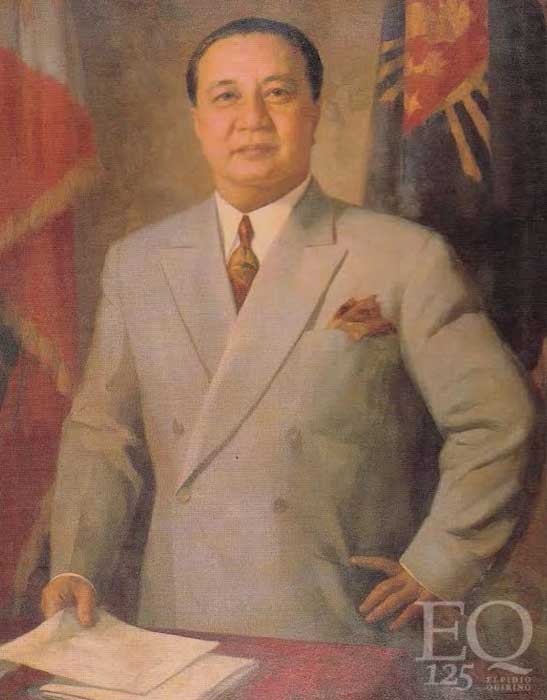
     Elpidio Quirino, the sixth President of the Philippines, left an indelible mark on the nation's history. Born on November 16, 1890, in Vintar, Ilocos Norte, Quirino's early life was shaped by his humble beginnings. His father, Mariano Quirino, was a farmer, while his mother, Gregoria Rivera, was a homemaker. Quirino's academic prowess earned him a scholarship at the Philippine Normal School, where he graduated with honors. He later pursued law at the University of the Philippines, finishing his degree in 1915.


     Quirino's entry into politics began in 1917 when he became a councilor in his hometown. His dedication and leadership skills quickly propelled him to higher offices. In 1928, he was elected Senator, serving for 16 years. During this period, Quirino chaired the Senate Committee on Finance and the Committee on Appropriations, demonstrating his expertise in fiscal management. His commitment to public service led to his appointment as Secretary of Finance and Secretary of the Interior under President Manuel Quezon's administration. Quirino's leadership during World War II, particularly his role in evacuating President Quezon to the United States, showcased his unwavering loyalty and bravery.


     Quirino's presidency, spanning from 1948 to 1953, was marked by significant achievements. He prioritized post-war reconstruction, establishing the National Rehabilitation and Relief Administration to aid war-torn areas. Quirino also promoted social justice through the creation of the Social Welfare Administration. His administration's economic policies encouraged foreign investment, stimulating growth. Furthermore, Quirino played a pivotal role in shaping the country's foreign policy, participating in the establishment of the Southeast Asia Treaty Organization (SEATO). Despite facing challenges, Quirino's presidency demonstrated his unwavering dedication to rebuilding and strengthening the Philippines.

Native Narratives Strive


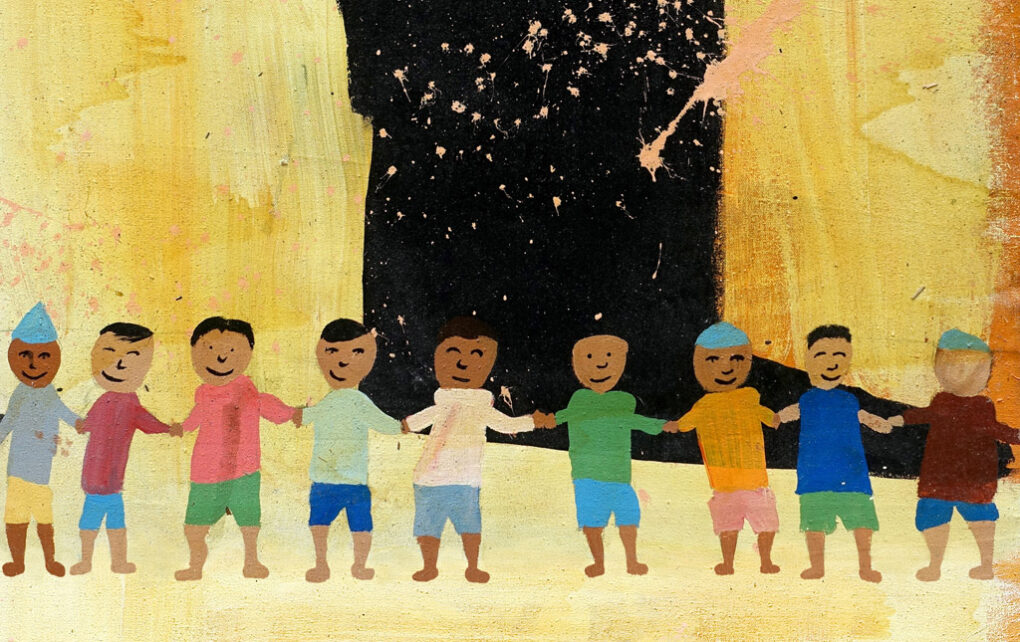
     On the month of October, we commemorate a special event, the Indigenous People's Month and the 27th year Indigenous Peoples Rights Act (IPRA) with the theme: "Mga Katutubo at Katutubong Dunong:Pahalagahan, Pangalagaan at Parangalan,"  it is a vital celebration that recognizes and honors the rich culture and heritage of indigenous communities. 

     This event serves as a platform to promote and protect the rights, traditions, and knowledge of indigenous peoples in the Philippines. By acknowledging and valuing the indigenous wisdom and contributions to society, we are fostering inclusivity, diversity, and respect for the unique identities of indigenous communities. This observance also highlights the importance of upholding the Indigenous Peoples Rights Act and ensuring the empowerment and representation of indigenous groups in decision-making processes and policy formulation. 

     Through this commemoration, we are not only recognizing the valuable contributions of indigenous peoples but also advocating for the preservation and promotion of their culture and heritage for future generations.


Code Red: Climate Crisis


     Climate change is a pressing issue that is significantly impacting the lives and living conditions of many Filipinos. The predominant reasons for sudden or progressive changes in the environment, such as deforestation, pollution, and excessive use of fossil fuels, are contributing to extreme weather patterns, rising sea levels, and natural disasters. 


     These environmental changes are posing grave threats to communities, affecting agriculture, livelihoods, and overall well-being. Filipinos are demonstrating resilience by adopting sustainable practices, promoting renewable energy, and implementing disaster preparedness measures to mitigate the impact of climate change. 

     Through collective efforts and sustainable initiatives, Filipinos are striving to build resilience and adapt to the changing environment for a more sustainable future.


Rights from the start


     When Dr. Jose Rizal declared, "Youth is the future of our nation," Youth, or children, have long been seen as the cornerstone and hope for transforming our nation into a more progressive one. Every year in November, a celebration is organized to raise awareness of this. This year's topic for National Children's Month is "Break the Prevalence, End the Violence: Protecting Children, Creating a Safe Philippines." It emphasizes the importance of speaking out against child abuse and may even result in a more positive environment for children to live in.


     Children require more than just love and time; they must also be protected. Protecting them is more than just an action or a word; it is a way to keep them safe from danger or trauma caused by an unforeseen occurrence. Giving them protection means giving them a clearer, louder voice so that their tiny voice may be heard. Because they are still young, they may not be as outspoken about what is going on with them, especially if their parents or guardians are not around.

     We are all aware that the number of incidences of child abuse is still increasing. We should be aware of this and not ignore it. We should take immediate action. It is not too late; we must continue to raise awareness for all, as this is a severe problem in every country. An act like this cannot be accomplished by a single person; everyone must recognize this truth, become more vocal about it, and act as a unit to continue to value children.

     It calls for collective action to ensure that children are provided with a safe and nurturing environment where their rights are respected and protected. By focusing on protecting children and creating a safe environment, we can build a better future for the next generation and promote a society that values and prioritizes the welfare of all children.


References

Monday, October 7, 2024

Thematic Output in ICT


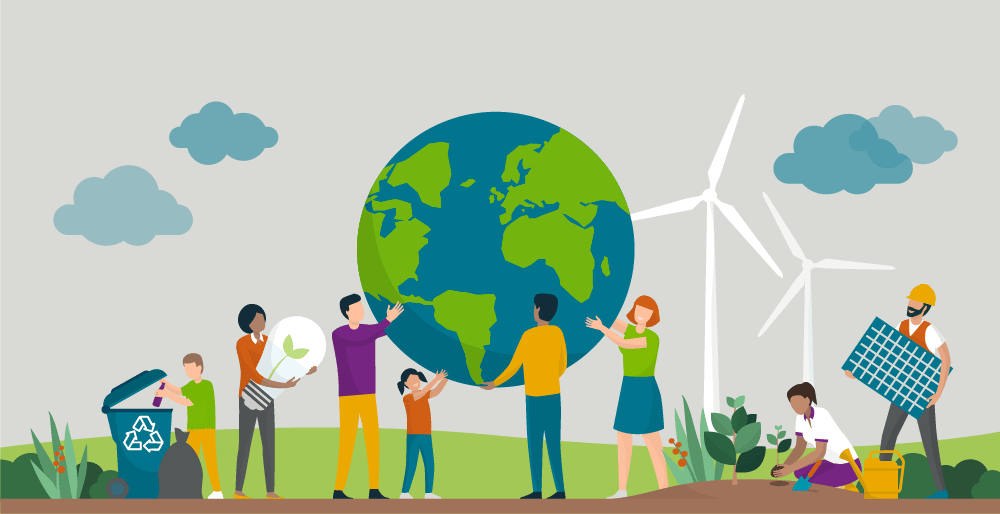
     The Philippine Environment Month (PEM), celebrated every June by virtue of Proclamation No. 237 signed by former President Corazon C. Aquino on April 4, 1988. This year’s theme, “Our Environment. Our Future,” underscores the crucial link between the Earth’s health and the wellbeing of future generations.

     Meanwhile on September, it is National Cleanup Month as declared by Presidential Proclamation No. 244, signed by President Fidel V. Ramos in 1993. A separate proclamation had designated the third Saturday of September as National Cleanup Day.


Here are few ways on how to protect and show care for the environment:

Participate in a clean-up drive.

Conserve electricity by unplugging or turning off appliances not in use.


Take care of your plants by watering them regularly.

Plant trees in our surroundings.


References

Q&A about the environment – and 3 easy ways to protect it. Retrieved at

https://charity.org/wp-content/uploads/2022/04/environment-recolored_option-2.png

June is Philippine Environment Month. Retrieved at

https://mb.com.ph/2024/06/07/june-is-philippine-environment-month

National Cleanup Month: Better habits lead to efficient waste management. Retrieved at

https://mb.com.ph/2024/9/14/national-cleanup-month-better-habits-lead-to-efficient-waste-management

Saturday, October 5, 2024

Navigating a new beginning


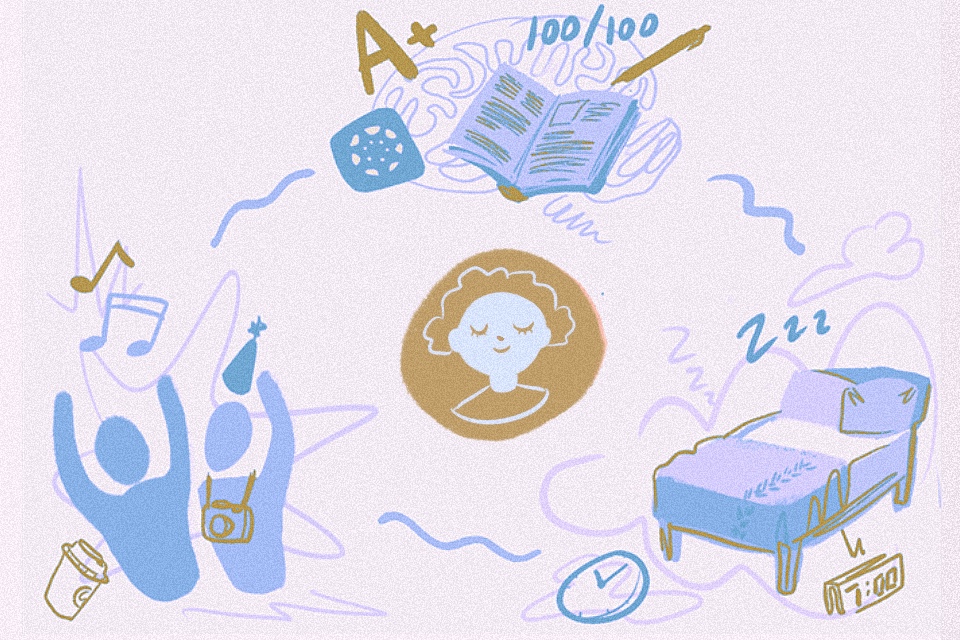
It was nerve-racking, yet full of valuable insights. A summary of my first quarter experience in the 2024-2025 school year. During that period, I discovered that flexibility and time management were the most essential aspects in ensuring a successful school year. Those skills are extremely helpful, especially since I'm involved in extracurricular activities; they're also handy in the face of unforeseen circumstances. In addition, I've learned the importance of adapting to changing situations and avoiding procrastination. Without procrastination, I believe there is much more I could accomplish. Reflecting on these, I can better understand where I should focus and improve in the next quarters.


     Of course, there are challenges at this time. I've struggled to balance priorities and manage my time effectively. Because I am currently a member of a club in our school, I have been given additional responsibilities. Being in a club is enjoyable, yet there were times when my responsibilities conflicted. There was a moment when I needed to contribute to a group activity but also needed to help in the work of our club. It was quite overwhelming, and I was in a dilemma—torn between which to prioritize first. Certainly, it caused stress and pressure.


On the other hand, I have employed solutions that, I think, worked well. I created a task list with allocated time for each task, putting the most critical first. Although I was having difficulty with time management, I used my time effectively to contribute back when I had a conflicting responsibility. To lessen stress, I tried to be as positive as I could by surrounding myself with people I enjoy being with. I also read articles frequently that could change and enlighten my outlook.

Moving on, I will continue to prioritize development, with a focus on time management and flexibility. By reflecting, I discovered which actions I should continue and which to avoid. There's still more time to go. I aim to seek improvement and opportunities that are beneficial. With all of what I learned, I can achieve positive outcomes that would lead to success. As I navigate through the obstacles and triumphs of the school year, may the knowledge gained pave the way to a future filled with growth and accomplishment.


References

Like an Eternal Flame

     As the soft glow of candlelight dances across the faces of loved ones, we're reminded that Valentine's Day is more than just a ...